Is your home actually required to have impact windows?
We check your specific address against the actual code map, then give you the insurance math — whether protection is required, recommended or purely optional for you.
High-Velocity Zone, Wind-Borne Debris Region — or neither.
Most competitors lean on blanket hurricane-season urgency. We check the current map for your address, not a countywide assumption.
High-Velocity Hurricane Zone (HVHZ)
The strictest tier — Miami-Dade Notice of Acceptance (NOA) testing and 9,000-cycle fatigue standards.
Orlando and Orange County are not in the HVHZ.
Wind-Borne Debris Region (WBDR)
Generally requires proximity to the coast at 130+ mph design wind speed, or anywhere at 140+ mph. The incoming code update is expected to expand it to some inland areas near large lakes — Lake Apopka, Lake Conway, the Butler Chain.
Most of inland Orange County falls outside it today.
Neither — impact protection by choice
If your address isn't code-mandated either way, impact windows and doors are still often worth it for insurance credits, noise reduction and storm peace of mind.
We'll show you the real numbers instead of a scare tactic.
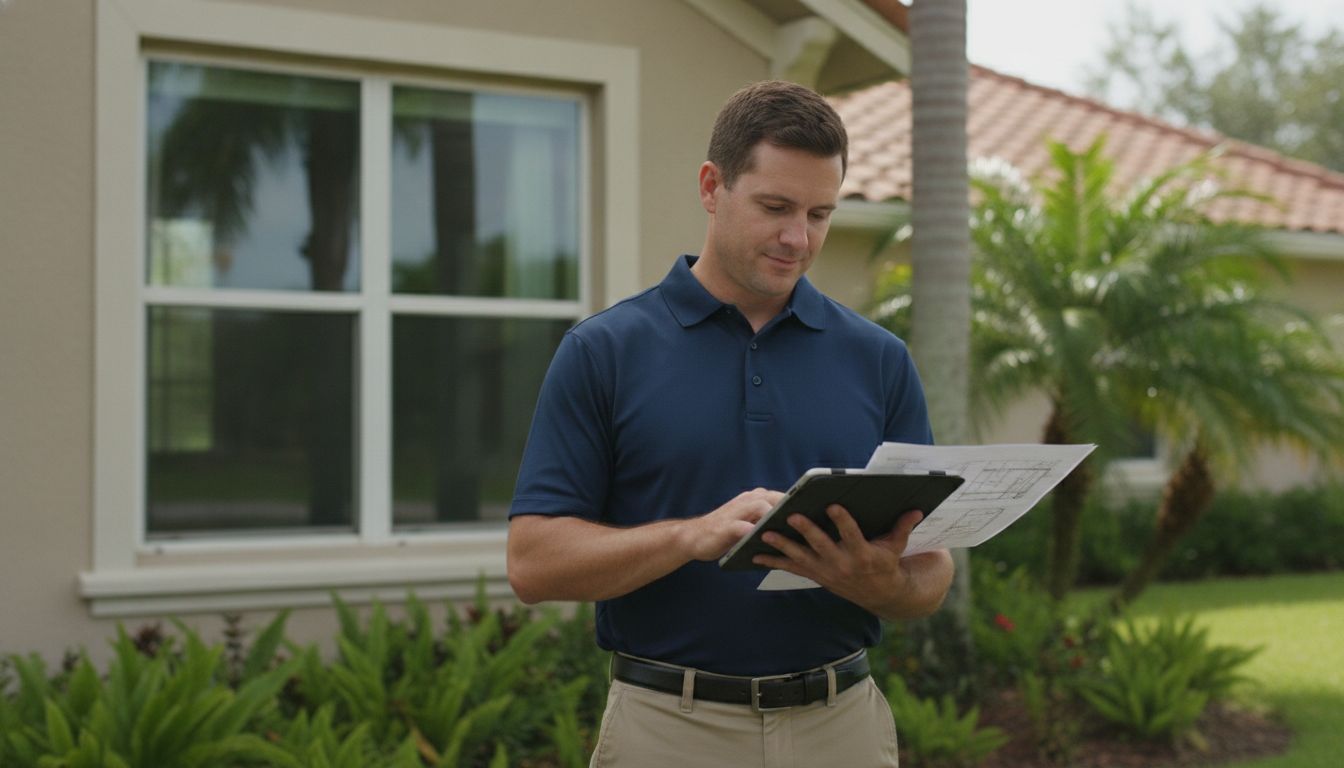
What Everseal does at the assessment.
 Step 01
Check the map
Your specific address against the current Florida Building Code wind-zone maps — not a countywide claim.
 Step 02
Explain the result
A plain-language answer — code-required, recommended or optional at your address — in writing.
 Step 03
Recommend a product
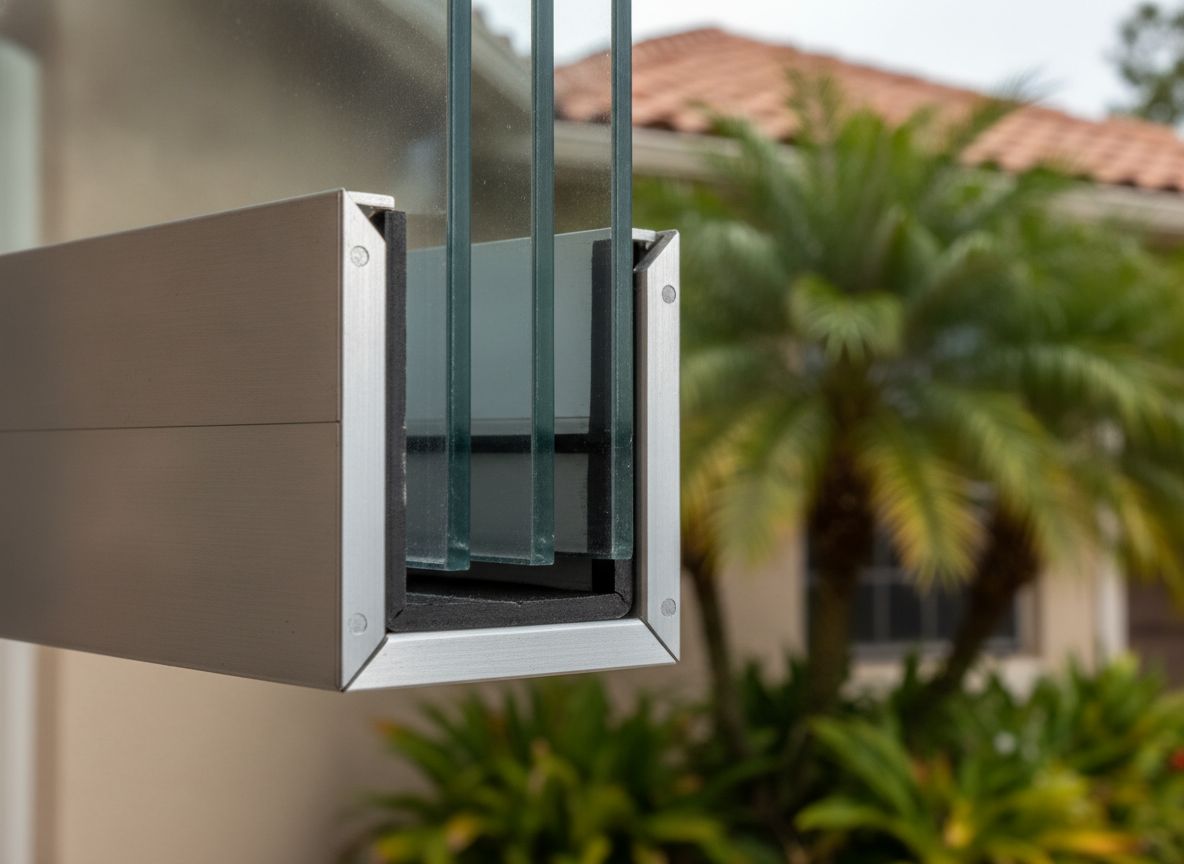
Impact glass, or a lower-cost alternative like shutters, honestly compared for your situation.
 Step 04
Document everything
Installation against real Florida Product Approval / NOA numbers and manufacturer specs.
This area of Florida law is shifting. Here's where it stands.
Everything below is checked against current sources — nothing is copied from outdated hurricane-season marketing.
Federal Section 25C tax credit for windows & doors
The federal Energy Efficient Home Improvement Credit does not apply to windows, doors or garage doors placed in service after December 31, 2025. We will not advertise a federal tax credit for a 2026 installation.
Florida sales tax exemption on impact windows, doors & garage doors
A new state exemption runs July 1, 2026 through June 30, 2029, covering impact-resistant windows, doors and garage doors.
Florida Building Code — 8th Edition (2023), 9th Edition coming Dec 31, 2026
Most of inland Orlando/Orange County is outside both the HVHZ and, currently, the Wind-Borne Debris Region. We do not claim a blanket code requirement — we check your address.
Wind-mitigation insurance credits (OIR-B1-1802)
Fla. Stat. §627.0629 requires windstorm-premium credits for verified mitigation features. The inspection must be completed by a qualified inspector under state law.
My Safe Florida Home program
Free wind-mitigation inspections and 2:1 matching grants up to $10,000 for hardening, including impact windows and doors. We can help you apply — the state decides approval, not us.
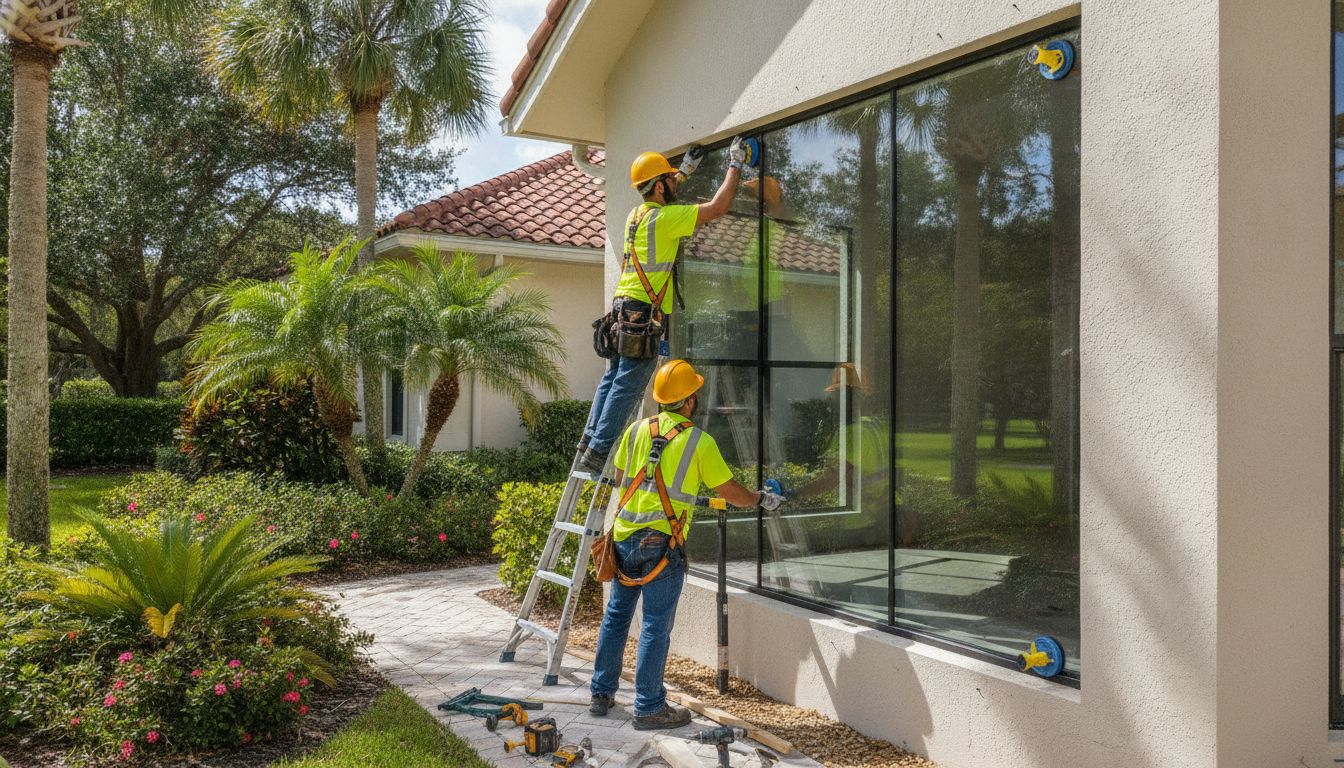
Everseal installs the products. A qualified inspector certifies the discount.
The state and your insurer decide approval.
We are not automatically a certified wind-mitigation inspector — Florida requires a specific credential for that role. We'll tell you plainly whether we hold it or need to refer you to someone who does.
We do not guarantee a specific insurance premium reduction or a My Safe Florida Home grant approval; those decisions belong to your insurance carrier and the state program.
Read before you decide.
Get an honest answer for your specific address.
Free assessment — code review, product recommendation and real insurance math.
Request a free assessment